Fresh-Milled Sorghum Porridge for Softer Sourdough Crumb
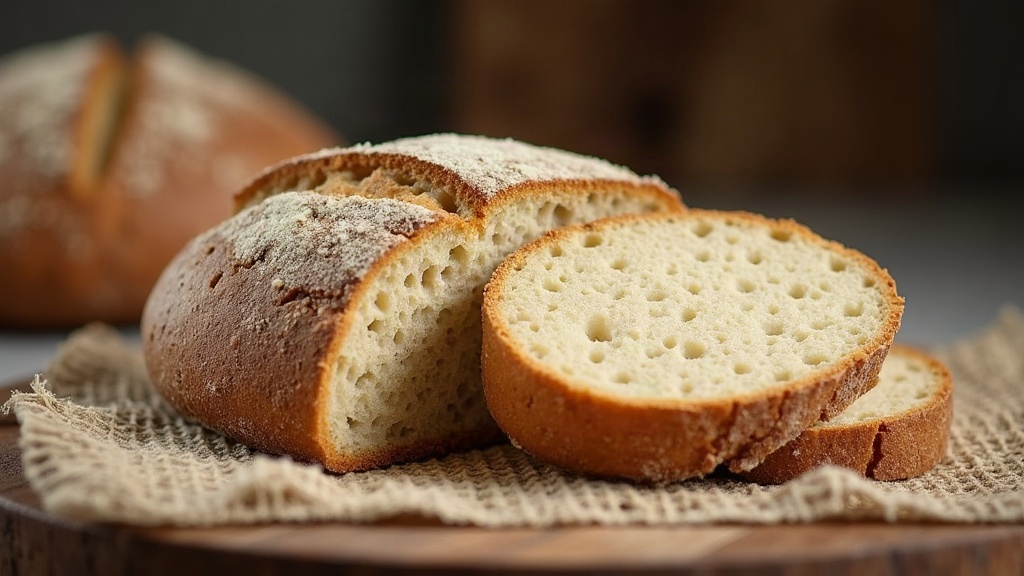
Fresh-milled sorghum porridge might be the single easiest fix for a dry, dense sourdough loaf. No additives, no gums, just a cooking step you add before mixing. Gelatinize a portion of freshly ground sorghum flour into a thick porridge, fold it into your dough, and you’ve pre-hydrated the starches so they hang onto water through baking and well into storage. What you get is a noticeably softer, more open crumb, and a loaf that’s still good to eat several days after a plain sourdough would’ve gone stale.
Why Sorghum Porridge Works
Sorghum is gluten-free by nature, and its starch cooks up into a gorgeous gel when you add water and heat. Mill it fresh, rather than grabbing a bag that’s been sitting on a shelf since who knows when, and you keep more of the grain’s natural oils, aroma compounds, and enzyme activity intact. Cook that fresh flour into a porridge (think of it as a cousin to the Asian tangzhong or yudane methods) and three things happen at once:
- Starch pre-gelatinizes, so it soaks up and holds onto more water than raw flour ever could
- Gluten-forming proteins in the wheat portion soften up a bit, giving you a more extensible, tender crumb
- Natural sugars from the sorghum come through, adding a touch of sweetness and helping the crust brown nicely
Because the porridge traps moisture right down at the molecular level, the bread stales slower. If you’re not polishing off a whole loaf in one go (and who is?), that’s a real win.
How Much Porridge to Use
Start around 10-20% of your total flour weight turned into porridge. Say you’re working with 500g of flour total:
- Mill 75g of fresh sorghum (that’s 15%)
- Cook it with 375g water (a 5:1 water-to-flour ratio) over low heat, stirring the whole time, until it thickens into something like a smooth pudding (around 65-70°C / 150-160°F)
- Let it cool all the way before adding it to the main dough. Warm porridge will kill off wild yeast activity in your levain, and nobody wants that
Dial back your overall hydration a touch in the final dough. The porridge is carrying a lot of water that’ll release as you mix and ferment.
Step-by-Step: Adding Porridge to Your Sourdough
- Mill the sorghum right before cooking, ideally within the hour, so you catch the flavor and enzyme activity at their peak.
- Cook the porridge in a saucepan, whisking as you go to keep lumps away. It’s ready when it coats the back of a spoon.
- Cool it to room temperature (or stash it in the fridge for up to 24 hours).
- Autolyse first: mix your bread flour with the remaining water, let it rest 30-45 minutes.
- Add the cooled porridge, levain, and salt, then work it in with a few rounds of stretch-and-folds.
- Bulk ferment as you normally would, but keep an eye on the clock. The extra sugars in the porridge tend to speed fermentation up a bit.
- Shape, proof, and bake at your usual temperature. Loaves with porridge often do better with an extra 5 minutes of covered baking, just to fully set that softer interior.
Common Questions
Does sorghum porridge change the flavor? A little, yes. Expect a mild, nutty note with a faint sweetness, something that plays nicely with whole wheat or rye.
Can I use store-bought sorghum flour instead of fresh-milled? Sure, it’ll still work. But fresh-milled flour has a brighter aroma and absorbs water a bit better, since the starch granules and oils haven’t had time to oxidize sitting in a bag.
Will this work in 100% gluten-free sourdough? Absolutely, and arguably this is where it matters most. Sorghum porridge stands in for some of the binding and softening work that gluten normally does in a wheat dough.
How long does the softness last? Loaves at 15% porridge inclusion typically stay soft on the counter for 4-5 days. Compare that to 2-3 days for a standard lean sourdough, and the difference is hard to ignore.
Conclusion
Adding fresh-milled sorghum porridge to your sourdough is a low-risk move with a surprisingly big payoff: softer crumb, better moisture retention, a little extra flavor, all from one extra pot on the stove. Start at 15% porridge inclusion, mill your sorghum right before cooking, and nudge your hydration down to compensate. Once you taste what it does for texture and shelf life, going back to an all-raw-flour dough feels like a step backward.