Sourdough Discard Graham Crackers That Snap Clean for S'mores
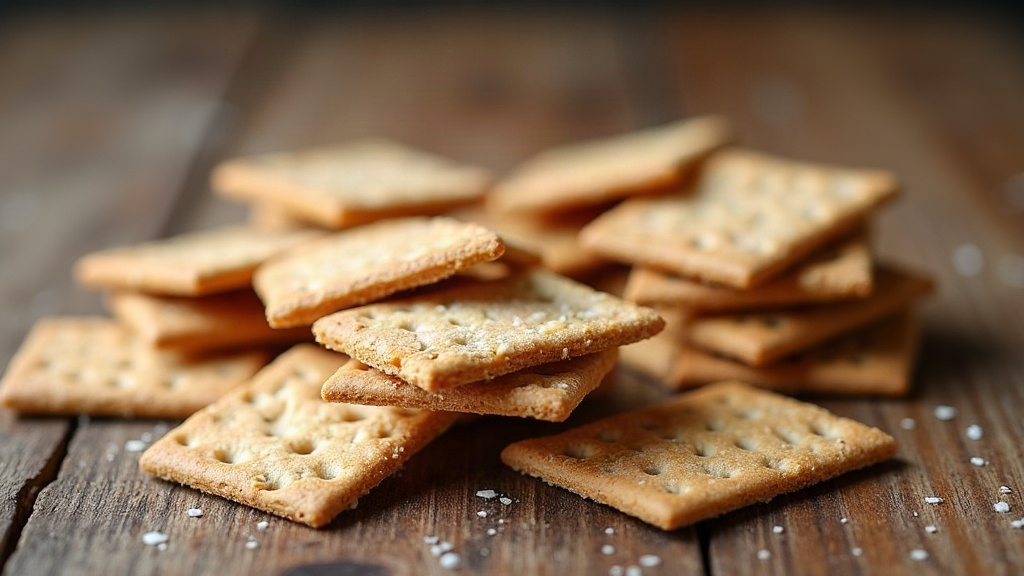
If you’ve ever bitten into a store-bought graham cracker and found it gone stale, weirdly soft, or cloyingly sweet, you’ll get why this version is worth the extra ten minutes of effort. These sourdough discard graham crackers snap clean for s’mores, using your leftover starter to build both flavor and backbone. The result: crisp, honey-toasted crackers sturdy enough to hold a melting marshmallow without caving into a pile of crumbs. No commercial graham flour needed. Just pantry basics and the discard sitting in your fridge that you were probably about to pitch anyway.
Why Sourdough Discard Works So Well Here
A good graham cracker needs two things to get that satisfying snap: low moisture and just enough gluten structure to stay rigid without turning into a hockey puck. Sourdough discard pulls its weight on both counts.
- Mild acidity softens the dough just enough to keep it from going tough.
- Natural fermentation flavor brings a faint tang that plays nicely against the honey and brown sugar.
- Extra hydration control, since discard replaces part of the liquid, lets you fine-tune exactly how thin and crisp the final cracker turns out.
In muffins or pancakes, discard mostly just adds flavor in the background. Here, it’s actually doing structural work, shaping the texture from the inside out.
Ingredients You’ll Need
- 1 cup (120g) whole wheat flour
- 1 cup (125g) all-purpose flour
- 1/2 cup (113g) unfed sourdough discard
- 1/3 cup (65g) packed brown sugar
- 1/3 cup (113g) honey
- 6 tbsp (85g) unsalted butter, softened
- 1/2 tsp baking soda
- 1/2 tsp salt
- 1 tsp ground cinnamon (optional, but honestly, it’s classic for a reason)
- 1 tbsp milk (only if the dough needs help coming together)
Step-by-Step Method
1. Cream Butter and Sugars
Beat the butter and brown sugar until pale and fluffy, maybe 2-3 minutes on medium speed. Mix in the honey and sourdough discard until the batter looks smooth and glossy.
2. Combine Dry Ingredients
In a separate bowl, whisk the flours, baking soda, salt, and cinnamon. Fold this into the wet mixture, but stop as soon as you’ve got a shaggy, just-combined dough. Overmixing here is how you end up with tough crackers.
3. Chill the Dough
Wrap it up and refrigerate for at least an hour. Don’t skip this part. Chilling firms the butter back up and makes it actually possible to roll the dough into thin, even sheets, which is the whole secret to that clean snap later.
4. Roll Thin, Really Thin
Roll the dough between two sheets of parchment to about 1/8 inch thick. If you’re eyeballing it and it feels “thin enough,” go a bit thinner. Anything thicker bakes up more like a soft cookie than a crisp cracker, and that’s not what we’re after.
5. Score and Dock
Cut into roughly 2x3-inch rectangles, then prick each one with a fork in tidy rows, like a classic graham cracker pattern. Docking stops the dough from puffing unevenly, which is exactly what causes those weak, crumbly spots you want to avoid.
6. Bake Low and Slow
Bake at 325°F (163°C) for 15 to 18 minutes, rotating the pan halfway through. You’re looking for deep golden edges. Baking low and slow dries the crackers all the way through, which is where the crispness actually comes from.
7. Cool Completely on the Pan
This step is where the magic (i.e., the snap) actually happens. Pull the crackers off too soon and you trap steam underneath, which softens everything right back up. Give them a full 20 minutes, minimum, before you touch them.
Troubleshooting a Clean Snap
- Crackers bending instead of snapping? They either need more time in the oven or weren’t rolled thin enough to begin with.
- Edges burnt, centers still soft? Your oven’s running hot. Drop it to 300°F (150°C) and let them bake a few minutes longer.
- Dough too sticky to roll? Add flour a tablespoon at a time. Discard hydration isn’t consistent from starter to starter, so some trial and error is normal.
Making the Perfect S’more
Once the crackers have cooled, store them in an airtight container with parchment between the layers so they don’t stick together. When you’re ready for s’mores, toast a marshmallow until it’s deep golden (not just white and puffy), sandwich it with a square of chocolate between two crackers, and press down gently. You should hear the snap. If it’s soggy instead, something went wrong three steps back.
Storage and Make-Ahead Tips
- Room temperature storage works fine for up to 2 weeks in a sealed container.
- Freeze dough disks for up to 3 months; thaw overnight in the fridge before rolling.
- Baked crackers freeze well too. Lay them flat in a single layer first, then stack once they’re solid so they don’t crack or fuse together.
Final Thoughts
These sourdough discard graham crackers are proof that discard isn’t just pancake and waffle material. It’s practically a secret weapon when you want real crunch and depth in a baked good. Roll it thin, bake it slow, and give it the full cooldown, and you’ll end up with the kind of clean, audible snap every s’more actually deserves.