Rye Starter vs White Flour Starter: Dense, Tangy Dark Bread
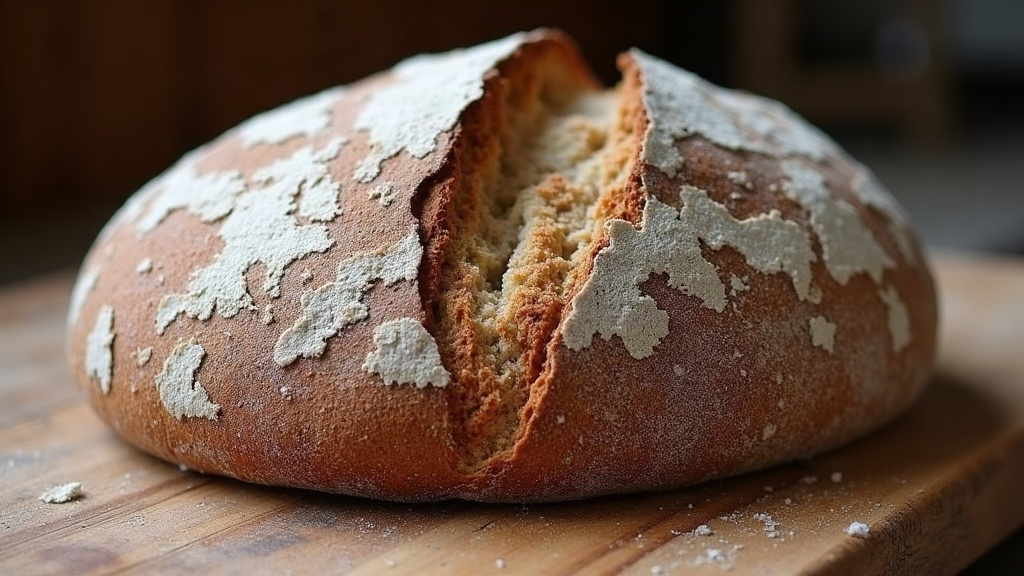
If you’re after a denser, tangier, darker loaf, a rye starter will beat a white flour starter almost every time. Rye’s higher enzyme activity, its mineral content, and its weaker gluten all push toward a sourer, moister, tighter crumb. White flour starters go the other way: lighter, milder, more open. Here’s the actual mechanism behind that, and how to pick the right one for whatever you’re baking.
Why Starter Flour Changes Everything
A sourdough starter is just a living culture of wild yeast and lactic acid bacteria, but the flour you feed it is what gives your bread its personality. Rye and white flour diverge in three meaningful ways:
- Enzyme activity: Rye is loaded with amylase enzymes that chew through starches fast, handing bacteria extra sugar and speeding up fermentation.
- Gluten structure: Rye barely forms gluten, so dough built on a rye starter holds less gas and rises less. The result: a denser crumb.
- Mineral and bran content: Rye hangs onto more bran and minerals, which bacteria feast on, churning out more organic acids. That’s where the tang comes from.
White flour is cleaner and more neutral by comparison. Great for gluten development, great for an open, airy crumb, but it takes its time turning sour.
Rye Starter: The Tangy, Dense Choice
A rye starter ferments harder and faster than a white one. Leave it at room temperature and within 4 to 6 hours it can double in size, smelling sharply sour, almost vinegary.
What rye starter gives your bread:
- Deeper tang: more lactic and acetic acid means a sharper sourdough bite.
- Denser crumb: less gluten, less gas retention, so the loaf stays low and tight.
- Darker color: rye’s natural pigments and sugars caramelize harder in the oven, giving you a richer brown crust and crumb.
- Moister texture: rye holds onto water better, so the loaf doesn’t dry out as fast.
That’s exactly why traditional German pumpernickel, Scandinavian rugbrød, and Eastern European rye loaves lean on rye starters. These breads aren’t chasing height. They’re built for weight and sourness.
White Flour Starter: Light, Mild, Airy
A white flour starter (all-purpose or bread flour) ferments slower and more predictably. It takes longer to build up acidity, so the flavor stays gentle unless you push fermentation time or bump up hydration on purpose.
What white starter gives your bread:
- Open, airy crumb with those big irregular holes you see in a classic San Francisco sourdough
- Milder, balanced tang, nothing sharp about it
- Lighter color, since there’s less natural sugar and mineral content to brown
- Stronger gluten development, which is what you want for a tall artisan loaf
Side-by-Side Comparison
| Factor | Rye Starter | White Flour Starter |
|---|---|---|
| Fermentation speed | Fast (4-6 hrs) | Slower (6-12 hrs) |
| Tanginess | Strong, sharp | Mild to moderate |
| Crumb density | Dense, tight | Light, open |
| Crust/crumb color | Dark | Pale to golden |
| Best bread style | Pumpernickel, rye, dark rustic loaves | Baguettes, boules, sandwich sourdough |
Which Should You Choose?
- Chasing a dense, dark, tangy loaf (deli rye, pumpernickel, rustic peasant bread)? Go with a rye starter, or at the very least feed your current starter 20 to 30% rye flour for a few days before baking.
- Want a light, airy, classic sourdough with just a hint of tang? Stay with a white flour starter.
- Want both? Plenty of bakers just keep two starters going, one fed on rye for dark breads, one on white for everyday loaves. Others blend the flours right into the dough while keeping a white starter as the base.
Pro Tip: Hybrid Approach
You don’t actually need two starters running forever. Mixing in 15 to 30% rye flour at the dough stage (even with a white starter as your base) will noticeably deepen the color and tang, no need to take on rye’s faster fermentation and extra upkeep.
Final Verdict
If density, tang, and dark color are the goal, rye starter wins, hands down. Its enzyme activity, mineral richness, and weak gluten are practically made for that rustic, sour, heavy-crumb style. White flour starters still have the edge when height, openness, and a gentler sourness are what you’re after. It’s not really about which starter is “better.” It’s about matching the starter to the loaf you actually want on your table.