Sourdough Kouign-Amann with Discard: No More Butter Weeping
Why Sourdough Discard Kouign-Amann Leaks Butter (And How to Stop It)
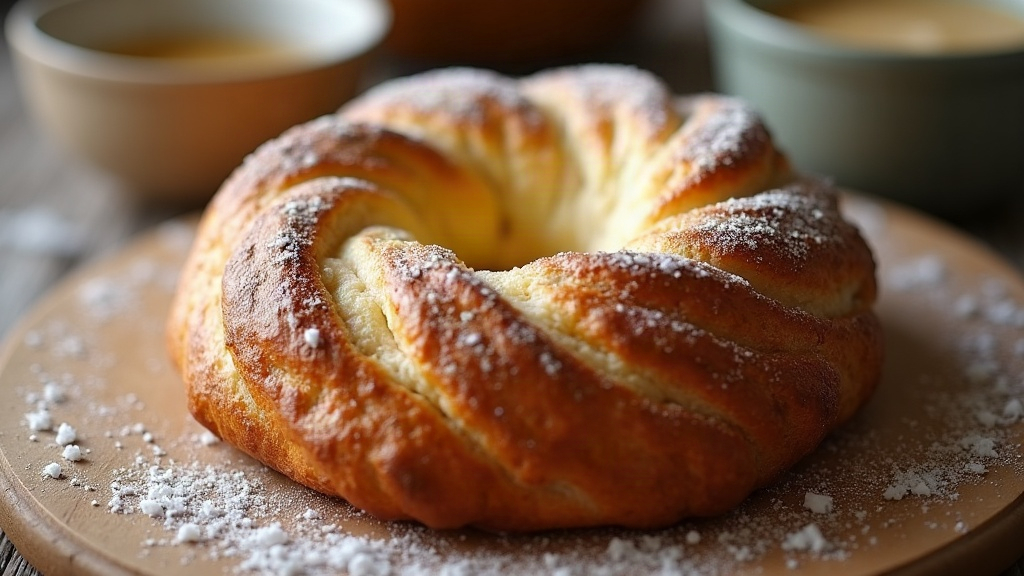
Sourdough discard kouign-amann, the Breton “cake of butter,” is one of the best ways to put extra starter to good use. It’s also notorious for one maddening problem: butter and sugar oozing out mid-bake, leaving you with a greasy tray instead of those glassy, caramelized layers you were promised. The fix isn’t a new recipe. It’s about controlling three things: dough temperature, sugar placement, and fold technique, so the fat stays locked inside the laminate until the oven finally sets everything in place.
Why Kouign-Amann Weeps Butter in the First Place
Lamination works because alternating layers of dough and fat trap steam, which puffs and separates the layers during baking. Sourdough discard brings extra hydration and enzymatic activity to the table compared with standard laminated doughs like croissant dough, and that makes the dough softer, stickier, and more prone to tearing. Once the layers tear, here’s what happens:
- Butter pools in the gaps instead of staying sandwiched between layers.
- Sugar dissolves straight into that butter and liquefies faster once heat hits it.
- The sugary butter runs out the sides before it gets a chance to caramelize into a proper shell.
The goal, really, is straightforward: keep the dough cold, keep the layers intact, and don’t let sugar touch raw dough edges where it can seep out.
Step 1: Build a Firmer Discard Dough
Discard adds moisture, so you need to compensate by keeping overall hydration a touch lower than you would for a standard enriched dough. Aim for 55-58% hydration, counting the liquid already in the discard. A stiffer dough laminates more cleanly and shrugs off tearing far better than a slack one.
- Use unfed or lightly fed discard (100% hydration) straight from the fridge. Cold discard helps keep the whole dough temperature down from the start.
- Knead only until smooth. Overdeveloped gluten makes dough spring back and fight your folds, which just raises the tear risk.
- Chill the dough block for at least an hour before lamination, and keep your kitchen as cool as you reasonably can.
Step 2: Keep the Butter Block Pliable, Not Melty
The single biggest cause of weeping is butter that’s too soft when it gets folded in. European-style butter (82%+ fat, lower water content) isn’t optional here, it holds its shape under pressure and resists bleeding in a way American-style butter just can’t match.
- Pound the butter block cold, then let it sit until it bends without cracking, around 60°F (15°C).
- If the butter starts looking shiny or greasy mid-roll, stop. Refrigerate the whole dough for 15-20 minutes before picking back up.
- Work in short, fast rolling sessions instead of one long roll-out. Speed limits how much the butter warms from friction and room heat.
Step 3: Sugar Placement Matters More Than You Think
Sugar doesn’t need to be laminated between every single layer the way butter does, and honestly, that habit is what causes most of the leaking in the first place. Instead:
- Add sugar only on the final two folds, not throughout the whole lamination process.
- Use coarse or granulated sugar, never powdered, so it won’t dissolve prematurely into the butter layers.
- Press the sugar firmly into the dough surface before folding so it stays anchored instead of sliding around loose between layers.
This keeps the sugar concentrated near the surface, where it caramelizes into that signature crackly shell rather than melting into syrup and escaping through the seams.
Step 4: Seal and Shape with Care
When you’re cutting and folding the pastry into its classic square or hexagon shape:
- Pinch every edge and folded corner firmly. Any open seam is basically an exit ramp for melted butter.
- Proof in a muffin tin or a straight-sided ring mold. The contained sides catch minor leakage and push the butter back into the layers as it melts, instead of letting it spread across the baking sheet.
- Proof cool, around 75-78°F (24-26°C), and only until puffy, not doubled. Overproofed dough weakens the gluten network, and the layers separate much more easily.
Step 5: Bake Hot and Fast
A high initial oven temperature flash-sets the exterior layers before the butter inside has a chance to fully liquefy.
- Bake at 400-425°F (205-220°C) for the first 10 minutes, then drop to 375°F (190°C) to finish, about 20-25 minutes total.
- Use a muffin tin or individual ring molds instead of a flat sheet pan. This is probably the single most effective anti-weeping trick out there, since the sides physically hold the caramel in place.
- Slide a tray underneath to catch any stray overflow and keep your oven floor from smoking.
Quick Troubleshooting Checklist
- Butter leaking everywhere: dough or butter got too warm; chill longer between folds next time.
- Flat, greasy pastries: sugar went in too early and dissolved straight into the lamination.
- Pastries stuck to the pan: not enough sugar on the pan bottom to form a caramelized release layer; sprinkle some on before baking.
- Pale, soft layers: oven wasn’t hot enough at the start; crank up that initial bake temperature.
Final Thoughts
A weeping kouign-amann isn’t proof your recipe is broken, it’s a temperature and technique problem, and a fixable one. Build a firmer discard dough, keep your European-style butter cold and pliable, hold the sugar back for the final folds, bake in contained molds, and start the oven hot. Do that, and you’ll get the shatter-crisp, deeply caramelized layers kouign-amann is famous for, with the butter staying right where it belongs: inside the pastry, not on your baking sheet.