Soft Steamed Sourdough Mantou Buns with a Sweet Stiff Levain
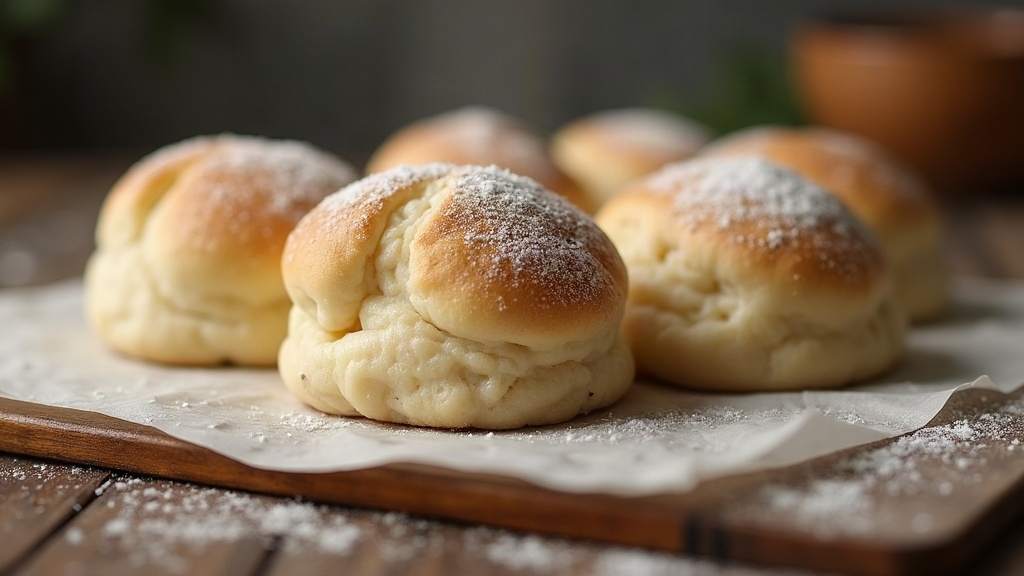
Mantou, the classic Chinese steamed bun, gets its reputation from that soft, faintly sweet crumb and a smooth, pillowy skin you just want to poke. Making it with a sweet stiff levain instead of commercial yeast adds a gentle tang and a bit more flavor depth, but the trick is keeping that cloud-like softness intact. Here’s exactly how to build the levain, mix the dough, shape the buns, and steam them so they come out tender, not dense or gummy.
Why Use a Sweet Stiff Levain for Mantou
A stiff levain (lower hydration, roughly 50-60%) ferments slower and gives a milder, less sour flavor than a liquid starter would. Add sugar to that levain and you’re basically feeding the yeast extra fuel, which does a few things:
- Speeds fermentation up a little compared to a plain stiff starter
- Encourages a softer, more elastic gluten network
- Balances out the natural acidity so the buns read as pleasantly sweet, not sour
- Helps you get that classic glossy, smooth mantou skin once steamed
Put it together and you get the health and flavor perks of natural leavening without giving up the light texture mantou is famous for.
Building the Sweet Stiff Levain
Mix this the night before, 8 to 12 hours ahead of when you plan to bake:
- 20g active sourdough starter
- 60g bread flour or all-purpose flour
- 25g water
- 10g sugar
Work it into a firm, dough-like ball, cover it, and leave it at room temperature (around 75°F/24°C) until it roughly doubles and feels airy when you press it. It should smell mildly sweet-tangy. If it smells sharp or vinegary, it’s gone too far.
Mantou Dough Ingredients
- 100g sweet stiff levain (from above)
- 300g all-purpose or cake flour (cake flour gets you an extra-soft crumb)
- 40g sugar
- 150g milk or water, lukewarm
- 15g neutral oil or softened lard
- 1/4 tsp salt
- Optional: 1/4 tsp baking powder for extra lift on long-fermented doughs
Mixing and Kneading
- Dissolve the levain into the warm milk until it’s mostly smooth, no big chunks left.
- Add flour, sugar, and salt, and mix into a shaggy dough.
- Knead 10-12 minutes by hand (or 6-7 minutes in a stand mixer) until it’s smooth, elastic, and just barely tacky, not sticky to the touch.
- Add the oil about halfway through kneading. This timing gives the softest result.
Check the dough with a windowpane test: stretch a small piece thin enough that light comes through without it tearing. If it tears right away, knead a few more minutes.
Bulk Fermentation
Cover the dough and let it rise until doubled, usually 3-5 hours at room temperature, though this swings depending on how active your levain is and how warm your kitchen runs. Sourdough moves slower than commercial yeast, so don’t rush it. A dough pulled early makes dense, gummy buns, no way around that.
Shaping Soft, Even Mantou
- Punch the dough down and knead it briefly to push out air bubbles. Skip this and you’ll end up with a lumpy, uneven surface.
- Divide into 60-70g portions for standard-size buns.
- Roll each piece into a tight ball, tucking the seam underneath, or shape into short logs if you want the classic oblong mantou look.
- Set each bun on its own small square of parchment paper.
Second Proof Before Steaming
Cover the shaped buns and let them proof 30-45 minutes, until they look noticeably puffy and feel light. Press one gently with a finger: it should spring back slowly and leave a faint indent. If it springs back instantly, give it a few more minutes.
Steaming Technique
- Use a bamboo steamer, or a steamer basket lined so air can circulate.
- Start with cold or lukewarm water and bring it up to a gentle simmer. Starting cold matters here, it avoids the heat shock that wrinkles the skin.
- Steam 12-15 minutes depending on bun size.
- Turn off the heat and leave the buns inside the covered steamer for 5 minutes before lifting the lid. Skip this and the sudden temperature drop can collapse them.
Troubleshooting Common Issues
- Wrinkled skin: usually the lid dripping condensation, or heat that was too high at the start. Wrap the lid in a clean cloth to catch the drips.
- Dense texture: under-proofed dough or a weak levain. Give it more fermentation time next round.
- Yellow tint: over-fermentation, the excess acidity reacts with the flour. Shorten the proof or add a small pinch of baking soda.
- Sour taste: cut back the levain fermentation time, or use less levain relative to the flour weight.
Storage Tips
Steamed mantou freeze really well, which makes them great for batch cooking. Let them cool completely, then freeze in an airtight bag for up to two months. To reheat, re-steam straight from frozen for 8-10 minutes and they’ll taste freshly made.
Conclusion
Steamed sourdough mantou made with a sweet stiff levain gives you both worlds at once: the layered flavor of natural fermentation and the light, fluffy texture people love mantou for in the first place. Pay attention to your levain’s timing, knead gently but thoroughly, and steam with care, and you’ll end up with buns that taste bakery-made, naturally leavened, subtly sweet, and soft enough to pull apart with your fingers.