Sourdough Discard Gnocchi: How to Keep Dumplings from Turning Gummy
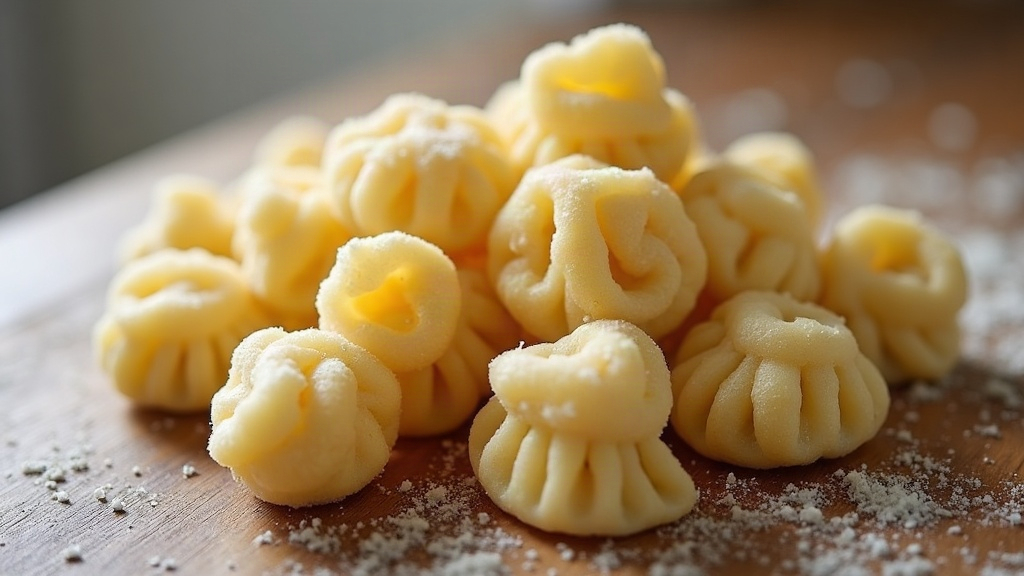
Sourdough discard gnocchi sounds like the perfect way to use up that jar of bubbling, slightly sour starter sitting in your fridge. In practice, though, it’s one of the easier gnocchi projects to mess up. The usual complaint goes something like this: instead of light, pillowy dumplings, you end up with something gummy and dense, almost like dumpling-shaped glue. Annoying, but fixable. Gumminess almost always traces back to a short list of avoidable mistakes: too much moisture, a dough that’s been worked too hard, or flour added too late in the game. Here’s exactly why it happens and what to do about it.
Why Sourdough Discard Gnocchi Turns Gummy
Three culprits show up again and again:
- Too much moisture. Discard is wet to begin with (most people keep theirs around 100% hydration), and if your potatoes are also holding extra water, you’ve basically got double the liquid the dough was ever meant to handle.
- Overdeveloped gluten. Knead this dough the way you’d knead bread, and you’ll activate gluten you don’t want. The result is chewy, rubbery gnocchi instead of tender ones.
- Starchy, undercooked potatoes. Potatoes that haven’t been baked or steamed long enough hang onto extra water. That forces you to dump in more flour to compensate, and more flour means a stiffer, denser bite.
Once you know which of these is biting you, troubleshooting gets a lot faster.
Choose the Right Potatoes
Starchy potatoes, Russets or Yukon Golds, aren’t optional here. Waxy ones like red potatoes or new potatoes hold onto far too much moisture, and no amount of careful dough handling will save you from dense gnocchi if you start with the wrong spud.
Best prep method: bake the potatoes whole at 400°F (200°C) for 45 to 60 minutes rather than boiling them. Boiling waterlogs the flesh almost by design. Baking does the opposite: it lets moisture evaporate as the potato cooks, leaving you with a drier, fluffier mash that’s exactly what discard gnocchi needs as its base.
Balance the Sourdough Discard
Discard isn’t a neutral ingredient. It already brings its own flour and water to the table, so your recipe has to account for that:
- Use unfed, mature discard rather than a freshly bubbly starter. It’s milder in tang and its hydration is more predictable batch to batch.
- Cut back the added flour by about 2-3 tablespoons per cup of discard, since the discard is quietly contributing flour of its own.
- If your discard looks especially runny, let it sit in a fine sieve for 10-15 minutes first and drain off some liquid before mixing.
A solid starting point: 2 cups riced potato, 1/2 cup sourdough discard, 1 egg if you want extra structure, and 3/4 to 1 cup flour added bit by bit.
Mix Gently, Don’t Knead Like Bread
If there’s one fix that matters more than any other, it’s this. Think fold, not knead:
- Rice or mash the potatoes while they’re still warm. The steam escapes and the mixture stays loose instead of clumping.
- Spread the potatoes on a floured surface, add the discard and egg, then dust flour over the top.
- Use a bench scraper to fold everything together with gentle pressure. The moment it comes together, stop.
- Hands getting sticky? Dust with more flour. Don’t reach for extra liquid to fix stickiness, that only makes things worse.
Even one extra minute of kneading can be the line between tender gnocchi and rubbery ones. It’s that sensitive.
Flour Timing Matters
Add the flour in small increments, not all in one go. Dump it in early and you’ll end up with a stiff dough before you even realize it. Add it gradually instead, and you can stop the instant the dough holds together, usually while it’s still a touch tacky but not actually sticky to the touch.
Test Before You Commit
Before shaping the whole batch, cook a single test piece in boiling water. Falls apart? Add a little more flour. Comes out dense and heavy? Your dough probably had too much flour in it, or got overworked somewhere along the way. Either way, jot it down for next time. Don’t try to rescue the current batch by splashing in more liquid, that trick almost never works and usually just makes the texture worse.
Cooking Tips to Preserve Texture
- Boil the gnocchi in well-salted water, in small batches, so the water temperature doesn’t drop.
- Pull them out the second they float, usually somewhere between 60 and 90 seconds. Leave them too long and they turn waterlogged and gummy, even if the dough itself was flawless.
- Finish them in a hot pan with butter or olive oil for a quick sear. It firms up the outside and adds flavor at the same time.
Storing and Freezing
Fresh gnocchi dough doesn’t do well just sitting around. Moisture redistributes through the dough and softens its structure within an hour or two. Better plan: shape the gnocchi, freeze them on a tray until solid, then transfer to a bag. Cook them straight from frozen, no thawing. Thawing first releases water back into the dough and all but guarantees a gummy result.
Conclusion
Get the moisture balance right, start with starchy baked potatoes, add flour gradually, and handle the dough gently, and sourdough discard gnocchi can genuinely compete with the classic potato version on texture. Skip the kneading, always test a single piece before shaping the rest, and keep the boiling time short in well-salted water. Do all that consistently, and your discard stops being just a way to cut down on food waste. It becomes the starting point for some of the lightest, most flavorful gnocchi you’ve made.