Sourdough Pumpernickel with Cracked Rye: Soaker vs Scalding Methods
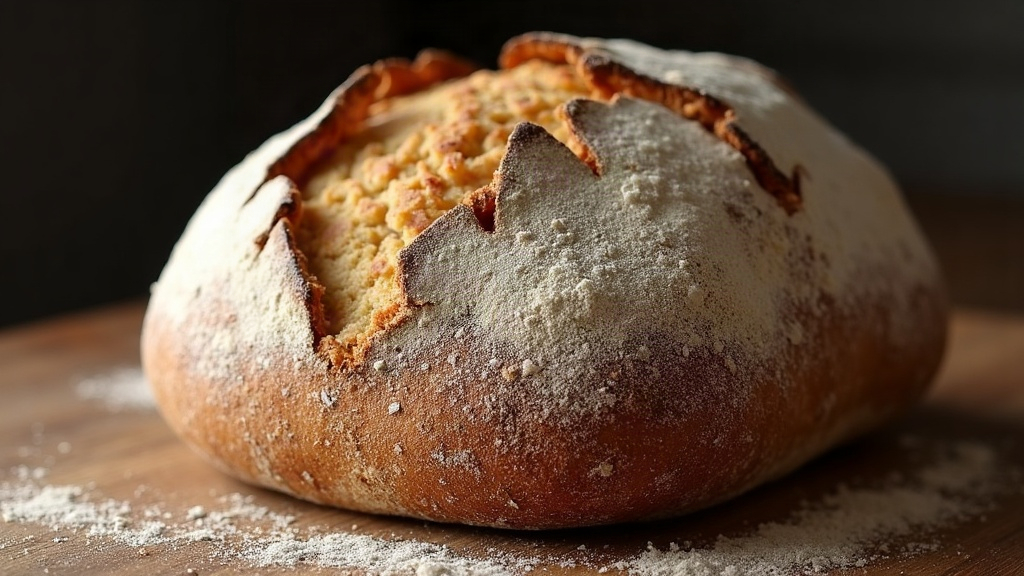
Sourdough Pumpernickel: Soaking vs. Scalding Cracked Rye
That deep color and dense, earthy chew in sourdough pumpernickel comes largely from cracked rye. But here’s the thing most recipes gloss over: how you prep that rye, whether you soak it cold or hit it with boiling water, changes the bread in ways you’ll actually taste. Let’s break down both methods so you can pick the right one, or steal a trick from both.
Why Cracked Rye Needs Pre-Treatment
Cracked rye berries are stubborn. Tough, fibrous, thirsty for moisture. Toss them into your dough dry and they’ll pull water straight out of the crumb, stay gritty after baking, and never really soften, no matter how long you leave the loaf in the oven. Pre-treating the rye solves three problems at once:
- Hydration: it softens the bran and starch so each fragment bakes tender rather than crunchy.
- Flavor development: it kicks off enzymatic activity and Maillard-adjacent reactions that build that malty, faintly sweet pumpernickel signature.
- Dough workability: it keeps the cracked grains from shredding gluten strands or leaving dry pockets scattered through the crumb.
The two classic approaches, the cold soaker and the hot scald, go after these goals in very different ways.
Method 1: The Cold Soaker
A soaker is nothing fancy: cracked rye mixed with roughly equal (or slightly more) weight of room-temperature or cool water, then left alone for 8 to 24 hours before it goes into the final dough.
How to make it:
- Combine 100g cracked rye with 110-125g water.
- Cover it and let it sit overnight at room temperature, or refrigerate up to 24 hours if your kitchen runs warm.
- Mix the hydrated soaker straight into your sourdough pumpernickel dough.
Pros:
- Holds onto more of the rye’s natural enzymatic activity, which a lot of bakers swear adds a richer, sour-malt complexity.
- Dead simple. No stove, no fuss.
- Pairs nicely with a long bulk ferment, since the soaker is basically breaking down in parallel with your starter.
Cons:
- The texture stays a bit chewier. Some bakers love that rustic bite; others find it borders on tough.
- You need to plan ahead by a day, which isn’t always convenient.
- Left too long in a warm kitchen without salt, a soaker can develop off bacterial activity. A pinch of salt in the soaker itself keeps this in check.
Method 2: The Scalding Method
Scalding is the opposite approach: pour boiling or near-boiling water straight over the cracked rye and the starches gelatinize almost on contact.
How to make it:
- Combine 100g cracked rye with 150-180g boiling water (more than a soaker needs, since gelatinized starch soaks up a lot more liquid).
- Stir, cover, and let it cool to room temperature. This usually takes 2 to 4 hours, much quicker than an overnight soak.
- Add it to the dough only once it’s cooled. Mix it in hot and you’ll kill your starter.
Pros:
- Gives you a noticeably softer, moister, almost jam-like texture in the finished loaf, the kind you’d expect from a deli-style pumpernickel.
- Much faster than waiting overnight.
- The hot water contact caramelizes some sugars right away, deepening both color and sweetness before the loaf even sees the oven.
- Lower risk microbiologically, since boiling water wipes out the chance of off-flavors from a long raw soak.
Cons:
- Can soften the rye’s character a little too much, muting that sharper, grainy bite some bakers are after.
- You have to watch the cooling time closely. Mix it in too hot and you’ll shock the starter or kill off the wild yeast.
Side-by-Side Comparison
| Factor | Soaker | Scald |
|---|---|---|
| Prep time | 8-24 hours | 2-4 hours |
| Texture | Firmer, chewier | Soft, moist, jammy |
| Flavor | Tangier, more rustic | Sweeter, rounder |
| Hydration needed | 110-125% | 150-180% |
| Best for | Hearty rustic pumpernickel | Classic deli-style loaf |
Combining Both for the Best Results
A lot of experienced rye bakers don’t pick a side. They scald half the cracked rye for softness and moisture, then cold-soak the other half overnight for depth and bite. Split it this way and you get a crumb that’s moist without turning gummy, flavorful without tasting flat or one-note.
Practical Tips for Either Method
- Count your soaker or scald water as part of total dough hydration. Skip this step and you’ll end up with a slack, sticky mess that’s hard to shape.
- A little malt syrup or diastatic malt powder, added to either method, nudges the sweetness closer to traditional pumpernickel territory.
- Thinking about an instant pot or thermos trick to “scald and hold” overnight at a warm temp? That’s essentially turning your rye into a mash. It boosts sweetness even more, but you need to hold it between 65-70°C (150-158°F), or the starch breaks down too far and turns thin and soupy.
Conclusion
Both methods turn stubborn, dry cracked rye into something your dough can actually use, but they land you in two different loaves. Go with a soaker if you want a chewier, more rustic pumpernickel with real tang. Reach for the scald if you’re after that soft, moist, deli-counter texture. And if you can’t decide? Split the rye between both in the same dough. That’s usually where the best loaf comes from anyway.