Building a 100% Buckwheat Sourdough Starter for Gluten-Free Loaves
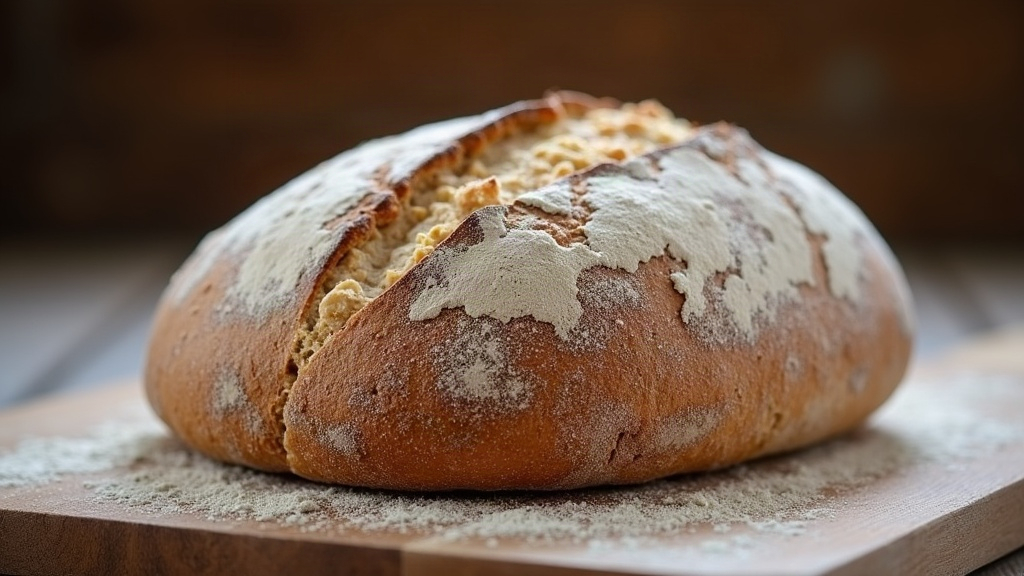
A 100% buckwheat sourdough starter is a naturally fermented culture made entirely from buckwheat flour and water. No commercial yeast, no shortcuts. Bakers use it to leaven gluten-free bread, and since buckwheat is technically a pseudo-cereal (not a grain, despite the name), it’s naturally gluten-free, nutty, and loaded with minerals. It ferments fast too, producing an active, tangy starter that works well in gluten-free loaves, pancakes, and crackers alike.
Why Buckwheat Works So Well for Gluten-Free Starters
Ask any gluten-free baker who’s struggled with rice flour starters, and they’ll probably tell you to just switch to buckwheat. Here’s why it performs so differently:
- High mineral and protein content feeds wild yeast and bacteria efficiently, so the culture builds momentum quickly
- No gluten network, which means it behaves nothing like a wheat starter. Expect something thinner, more like a loose batter than a stretchy dough
- Naturally occurring wild yeasts live on unhulled buckwheat groats and in the flour itself, giving fermentation a head start compared to many other gluten-free grains
- Distinctive earthy flavor that deepens with age, lending the finished bread a robust, slightly sour edge
Rice flour and sorghum starters can sit there doing almost nothing for a week. Buckwheat, by contrast, often shows real activity within 2-3 days if conditions are decent.
What You’ll Need
- Raw buckwheat flour, whole groat and stone-ground if you can find it (skip the heavily processed stuff)
- Filtered or dechlorinated water (chlorine kills off the microbes you’re trying to cultivate)
- A clean glass jar, at least 500ml/16oz
- A kitchen scale, because eyeballing flour and water ratios leads to inconsistent results
- A warm spot, ideally 75-80°F (24-27°C)
Step-by-Step: Building Your Starter
Day 1
Mix 50g buckwheat flour with 50g water in your jar. Stir until smooth, it should look like a thick pancake batter. Cover loosely with a cloth or a lid that lets air through, and leave it at room temperature.
Day 2-3
Small bubbles or a slight rise might show up around now. That’s early fermentation kicking in, but don’t bake with it yet. Discard half the mixture, then feed it another 50g flour and 50g water.
Day 4-6
By now the starter should smell tangy, maybe a bit fruity. Keep up the daily routine: discard half, add 50g flour plus 50g water. If things seem sluggish, find it a warmer spot or switch to a jar that breathes better.
Day 7+
A mature starter doubles in size within 4-8 hours of a feeding, bubbles throughout, and smells pleasantly sour with a nutty undertone. If instead it smells like nail polish remover, or you spot a thin dark liquid pooling on top (“hooch”), that’s a hunger signal. Feed it more often.
Troubleshooting Common Issues
Starter isn’t rising at all Give it time. Buckwheat moves slower than rye but faster than rice, so 10-14 days before you throw in the towel is reasonable. Double-check your water temperature, and make sure you’re not using chlorinated tap water.
Starter smells unpleasant or moldy Fuzzy mold is a different animal from hooch, and it’s not salvageable. Toss it, wash the jar thoroughly, and start fresh.
Starter is too runny That’s just how buckwheat behaves without gluten holding things together. Nothing wrong here, just stick to consistent flour-to-water ratios and don’t panic.
Maintaining Your Starter Long-Term
- Once it’s established, store it in the fridge and feed weekly if you’re not baking often
- Before baking day, bring it to room temperature and feed it once or twice to wake it back up to full strength
- Keep a small amount as your ongoing “mother” culture, and use the rest for actual baking
Using It in Gluten-Free Bread
Since buckwheat has no gluten, bread made with a 100% buckwheat starter turns out denser and more rustic than a wheat sourdough loaf, think hearty farmhouse texture rather than airy crumb. To get better structure, a lot of bakers blend the starter with gluten-free flour mixes that include psyllium husk, xanthan gum, or a combination of rice and tapioca starches. The buckwheat starter brings the sour depth and does the actual leavening work, while the blend handles structure and lightness.
Final Thoughts
Building a 100% buckwheat sourdough starter isn’t instant gratification. It takes patience. But the payoff is real: a genuinely gluten-free leavening agent with earthy flavor and the fermentation benefits you just can’t fake with commercial yeast. Stay consistent with feedings, keep it warm enough, accept a little trial and error along the way, and within one to two weeks you’ll have an active starter ready to change how your gluten-free baking tastes.