Why Your Sourdough Is Gummy: The Overproofing Mistake Nobody Mentions
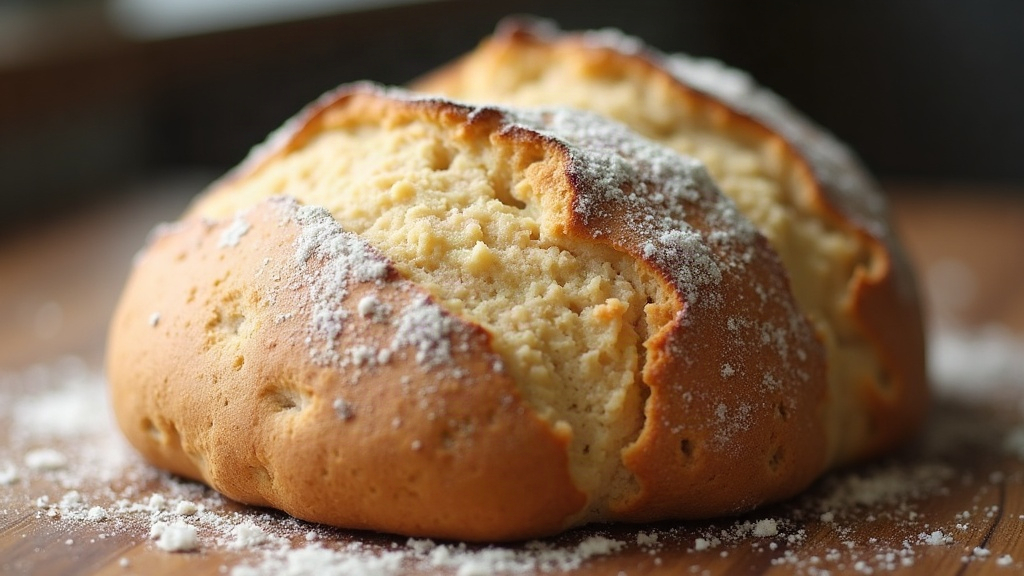
If your sourdough loaves keep coming out dense, wet, and sticky on the inside despite a gorgeous crust, you’re not alone. Gummy crumb is one of the most common complaints I hear from home bakers, and the real culprit is usually overproofing, a mistake that gets way less attention than its cousin, underproofing. Here’s exactly why overproofing turns bread gummy, how to spot it before you ever fire up the oven, and the concrete fixes that get you a light, open crumb consistently.
What Overproofing Actually Does to Your Dough
Proofing is the final rise, the stretch where yeast and bacteria pump out gas and organic acids. When the timing is right, that gas inflates a strong gluten network into something airy and light. Overproofing kicks in when fermentation runs past the point where the gluten can still hold everything up.
Give it enough time, and the naturally occurring acids in sourdough start eating away at the gluten strands. The structure weakens, then collapses. By the time you bake it, that weakened gluten can’t trap steam or gas anymore, so the loaf barely moves in the oven. Instead of a honeycomb of air pockets, you’re left with a tight, dense crumb that holds onto moisture and feels wet or gummy, even hours after the loaf has fully cooled.
How to Tell If Your Dough Is Overproofed
Before you start blaming your flour or your oven, check for these tell-tale signs:
- The poke test fails. Press a floured finger into the dough. Properly proofed dough springs back slowly, leaving a slight indent. Overproofed dough doesn’t spring back at all. It just deflates or stays sunken.
- The dough looks slack and sticky. A well-proofed loaf holds its shape and feels airy under your hands. An overproofed one spreads outward, looks glossy and wet, and might slump the second you turn it out of the banneton.
- It’s overflowed or gone flat. If the dough rose dramatically and then started receding, it’s already gone too far.
- A sharp, boozy or sour smell. A strong alcohol or overly acidic aroma means fermentation has peaked and is now working against your dough, not for it.
- No oven spring. If your scored loaf bakes up flat and those score marks barely open, the gluten was simply too weak to expand.
Why Overproofing Causes Gummy Texture, Not Just Flat Bread
The gumminess isn’t a coincidence, it’s the direct result of several things going wrong at once:
- Broken gluten means trapped moisture. Without a solid network of air pockets, steam has nowhere even to go during baking. It just stays locked inside the crumb.
- Excess acid softens the structure. Sourdough is acidic by nature, sure, but given too much time, that acid over-tenderizes the gluten and leaves you with a paste-like, dense interior.
- Longer fermentation changes the starches. Extended proofing gives enzymes time to break starches down into sugars, and those sugars hold water, which is a big part of that sticky, gummy mouthfeel.
The Overproofing Mistake Nobody Talks About: Baking by the Clock
Most recipes tell you to proof for a fixed number of hours. But fermentation speed depends on your room temperature, your starter’s strength, and even your flour. A dough that needs 4 hours in a warm July kitchen might need 8 on a cold January counter. Following the clock instead of the dough is, honestly, the single biggest reason bakers overproof by accident, and most never connect the dots back to that gummy slice.
Better: Track Volume, Not Time
Professional bakers watch how much the dough has grown, not how many minutes have ticked by. During bulk fermentation, aim for a 30-50% rise in volume for most white-flour recipes (a bit less for doughs heavy on whole grain). During the final proof, the dough should roughly double while still springing back slightly when you touch it.
Use the Aliquot Jar Trick
Drop a small piece of dough into a straight-sided glass jar right at the start of bulk fermentation. Once that sample has risen about 40%, your main dough is ready. It takes the guesswork out entirely, and it makes overproofing a lot harder to do by accident.
Other Reasons Your Sourdough Is Gummy
Overproofing tops the list, but it’s not the only cause. Rule these out too:
- Underbaking. Bake until the internal temperature hits 205-210°F (96-99°C). A loaf pulled too early stays gummy in the middle even if the crust looks nicely dark.
- Slicing too soon. Cut into a warm loaf and you’ll smear the starches, which creates that gummy feel. Wait at least 1-2 hours after baking before you reach for the knife.
- Under-developed gluten. Skimp on stretch-and-folds or kneading and you’re left with a weak structure that can’t help but hold moisture.
- Too much whole grain or added ingredients. Whole wheat, rye, seeds, mashed potato and the like all soak up more water and can leave you with a denser, wetter crumb.
How to Fix and Prevent Gummy Sourdough
- Watch the rise, not the clock. Aim for that 30-50% increase during bulk fermentation.
- Strengthen the dough early. Do three to four sets of stretch-and-folds within the first two hours.
- Use the cold retard wisely. A long, cold final proof in the fridge (8-16 hours) builds flavor and is much more forgiving than a long room-temperature proof.
- Bake to temperature. Use a thermometer instead of trusting time alone.
- Let it cool completely. Rest the loaf on a wire rack for at least an hour before you slice into it.
Conclusion
Gummy sourdough crumb is almost always a fermentation problem wearing a disguise, and overproofing is the culprit most bakers never think to check first. Learn to read your dough through the poke test and volume tracking instead of leaning on a fixed timer, and you can catch overproofing before it wrecks your bake. Strengthen the gluten early, proof to a measurable rise rather than a set number of hours, bake all the way to temperature, and give the loaf time to rest properly. Do those five things consistently, and that wet, dense crumb will finally give way to the airy, open loaf you’ve been chasing all along.