How to Make a Milder, Less Sour Sourdough Loaf
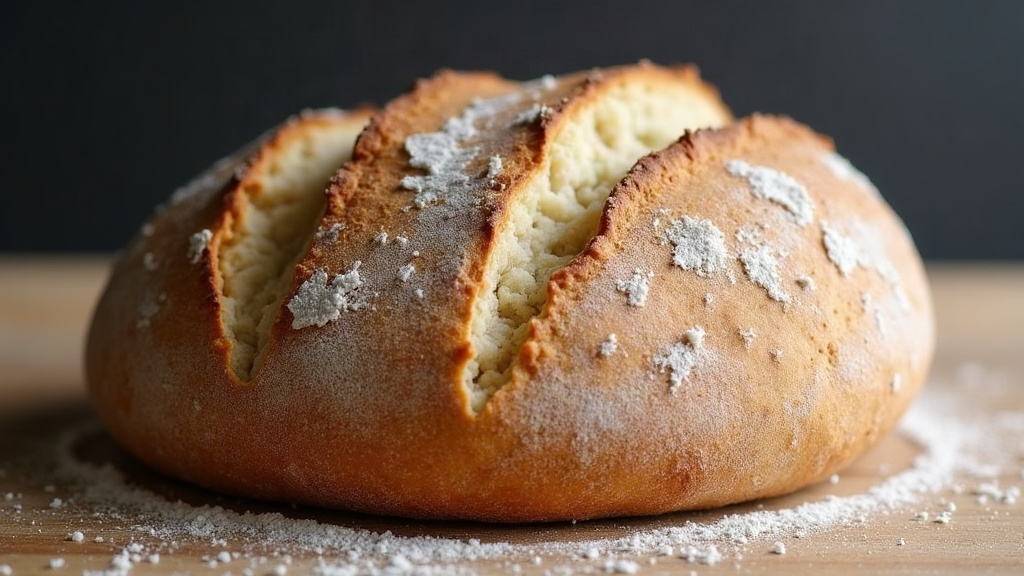
If your sourdough keeps coming out too tangy, too vinegary, the quickest fix isn’t a new recipe. It’s cutting back on the cold ferment, that long overnight rest in the fridge. Less time in the cold means less opportunity for acid-producing bacteria to pile up flavor compounds, and you end up with a loaf that’s lighter and sweeter without losing the open crumb or chewy crust you’re after.
Why Sourdough Gets Sour in the First Place
That tang comes from two acids, both produced by the wild yeast and bacteria living in your starter:
- Lactic acid, mild, almost yogurt-like. It thrives in warmer temperatures and shorter ferments.
- Acetic acid, sharper, more vinegar-forward. This one loves cold temperatures and long ferments.
A lot of bakers retard their dough in the fridge overnight (sometimes for days) because it’s convenient and it deepens flavor and crust color. The catch? Cold, slow fermentation shifts the balance hard toward acetic acid. That’s exactly why a loaf that spent 16 hours in the fridge tends to taste far more sour than one baked same-day.
The Simple Fix: Shorten the Cold Ferment
Want the texture and oven spring of a classic sourdough loaf without the sharp bite? Start by trimming how long the dough sits in the cold.
Step-by-Step Adjustment
- Start with your normal recipe. Mix, autolyse, and bulk ferment at room temperature as usual, roughly 75-78°F (24-26°C).
- Shape the dough normally, then move it to the fridge for the cold retard.
- Cut fridge time from the usual 12-16 hours down to 4-8 hours. Most bakers land on 6-8 hours as the sweet spot: enough to firm the dough up for clean scoring and build a bit of flavor, but not enough time for acetic acid to really take over.
- Bake straight from the fridge, or if the dough feels very cold and stiff, let it sit out for 20-30 minutes first.
What to Expect
- A milder, fruitier tang instead of that sharp vinegar edge
- Slightly less flavor complexity overall (that’s the trade-off)
- A loaf that might bake a touch faster since it’s not as cold going into the oven
Other Ways to Reduce Sourness
Trimming the cold ferment works even better paired with a few other tweaks.
1. Feed Your Starter More Often
Feed your starter every 12 hours instead of once a day and it stays active, leaning lactic rather than acetic, which means a gentler loaf. A sluggish, hungry starter, on the other hand, tends to skew sour.
2. Use a Younger, More Active Starter
Bake when your starter’s at peak: doubled, domed, bubbly all over. A starter that’s past its prime or already collapsing will push your bread toward more sourness, so timing matters here more than people think.
3. Keep Bulk Fermentation Warm and Shorter
A warmer bulk rise, around 78°F, favors lactic acid bacteria over acetic and shortens the overall fermentation window. Both of those work in your favor if you’re trying to tone down the sour.
4. Increase the Proportion of Starter (Levain)
Bump your starter up from, say, 10% to 20% of flour weight. More starter means faster fermentation overall, which leaves less time for sour compounds to accumulate.
5. Try an All-White Flour Formula
Whole wheat and rye give acid-producing bacteria more to feed on, so they ferment faster and sourer. Swap in all-purpose or bread flour, even just for a batch or two, and you’ll notice the flavor mellow out.
Will a Shorter Cold Ferment Hurt My Crumb or Crust?
Not really. The cold retard has two jobs: firm up the dough for easier scoring, and buy you time to bake on your own schedule. Both of those still happen fine within a 6-8 hour window. You’ll still get:
- Good oven spring
- A crisp, blistered crust
- An open, airy crumb
What you give up is some of that deep, layered sourness you’d get from a full overnight or 24-hour retard. Which, if you’re reading this, is probably the whole point.
Quick Troubleshooting Checklist
- Still too sour? Trim the cold ferment down further, try 4 hours, and start feeding your starter twice a day.
- Loaf coming out dense or flat? Don’t shorten bulk fermentation too. Only trim the cold stage, leave bulk alone.
- Crust not browning the way you like? Bump the oven temp slightly at the start, or add a bit more steam, to make up for the less-fermented dough.
Final Thoughts
A milder sourdough loaf doesn’t mean ditching your starter or starting over with a new process. Shorten the cold ferment to around 6-8 hours, feed your starter a bit more often, and bake near peak activity. Do those three things and you’ll land on a pleasant, subtle tang, still with the crust, the crumb, and the flavor that makes sourdough worth the trouble in the first place.