Why Sourdough Discard Brownies Turn Out Gummy (Fix the Ratio)
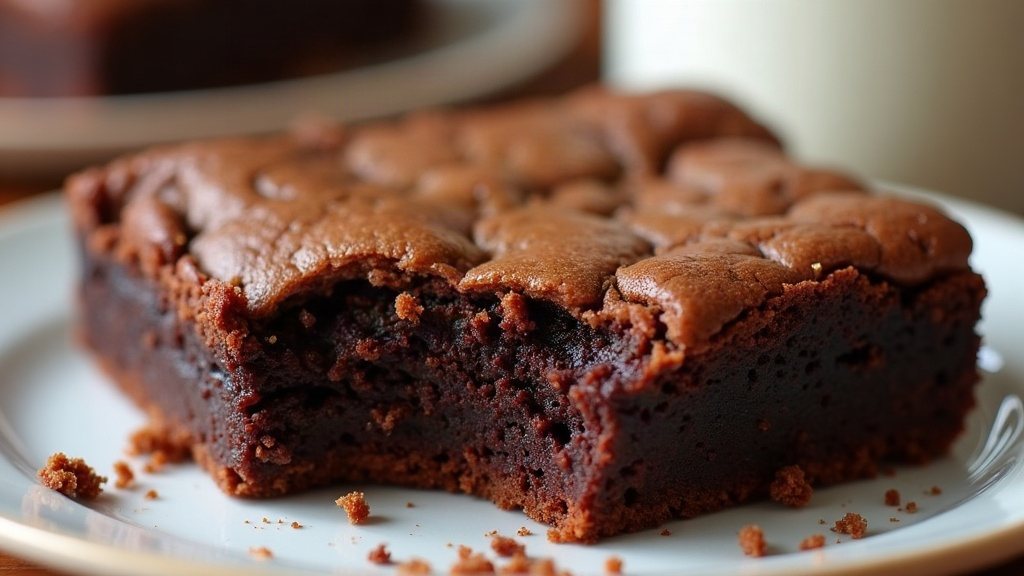
If your sourdough discard brownies come out dense and gummy instead of fudgy, there’s usually one culprit: too much liquid relative to flour and fat, made worse by the extra moisture and acidity sitting in your discard. Fix the butter-to-flour ratio, account for your starter’s hydration, and you’ll get clean, fudgy squares instead of a gluey mess.
Why Sourdough Discard Makes Brownies Gummy
Sourdough discard isn’t neutral. It’s basically a flour-and-water paste at around 100% hydration (sometimes wetter), so when you dump it into a standard brownie recipe without adjusting anything, you’re quietly adding extra flour and extra liquid at the same time.
That causes two separate problems:
- Excess moisture that never fully evaporates in the oven, leaving behind a wet, tacky crumb.
- Extra starch and gluten from the flour buried in the discard, which pushes the texture toward chewy and bread-like instead of tender.
Throw in the acidity of the discard, which weakens structure in some spots while toughening it in others, and you land on that familiar combo: gummy middle, dry edges.
The Core Fix: Get the Butter-to-Flour Ratio Right
Fudgy brownies depend on a high fat-to-flour ratio. A solid baseline for a standard, no-discard recipe looks like this:
- 1 cup butter (226g) : 1 cup flour (120g) : 2 cups sugar : 4 eggs : ¾ cup cocoa
That’s close to a 1:1 butter-to-flour ratio by weight, and it’s the reason brownies turn out dense and fudgy rather than cakey.
Add discard, and you’re sneaking in hidden flour plus hidden water. Here’s how to correct for it:
- Cut back the regular flour by roughly the amount already in the discard (about half the discard’s total weight, since most starters run near 100% hydration).
- Cut back other liquids (milk, water, oil) by roughly the same amount of water hiding in that discard.
- Keep butter weight equal to, or a bit above, total flour weight (discard flour plus any added flour, combined).
Example Adjustment
Say your recipe calls for 1 cup flour (120g) and you’re stirring in 150g of discard (about 75g flour, 75g water):
- Drop the added flour down to roughly 45g
- Cut other added liquid by about 75g
- Leave butter at 226g, which sits close to 1:1 against your total flour (~120g)
Do this and the fat-to-flour balance stays intact instead of getting watered down by accident.
Other Common Causes of Gummy Texture
Even with the ratio dialed in, a few other missteps can still wreck the texture:
- Underbaking. Gummy texture gets pinned on the discard a lot, but often it’s just underdone batter. Run the toothpick test looking for moist crumbs, not wet streaks.
- Overmixing once flour or discard goes in. That builds gluten fast and turns brownies chewy-gummy instead of fudgy-dense.
- Using active, bubbly discard instead of true discard. Fermentation shifts hydration and adds lift and moisture unevenly, not the steady bake you want.
- The wrong pan size. Too small a pan means deeper batter, and deeper batter traps moisture right in the center.
A Quick Checklist Before You Bake
- Weigh everything instead of eyeballing cups. Discard hydration swings more than people expect.
- Scale back flour and liquid proportionally whenever discard goes in.
- Hold butter-to-flour close to 1:1 by weight.
- Stir just until the flour disappears, nothing more.
- Pull it from the oven when the center is just set with a few moist crumbs clinging to the toothpick, not wet batter.
Conclusion
Gummy discard brownies aren’t some baking mystery, they’re a ratio problem, almost every time. Discard smuggles in hidden flour and hidden water, and if you don’t rebalance your butter, flour, and liquid to match, you’ll end up with dense, sticky squares instead of rich, fudgy ones. Weigh the discard, trim your dry and wet ingredients to compensate, and keep that butter-to-flour ratio hovering near 1:1. Get that right and your next pan will finally have the clean, fudgy bite you’ve been chasing.