Sourdough in Glass Casserole vs Cast Iron Dutch Oven: Compared
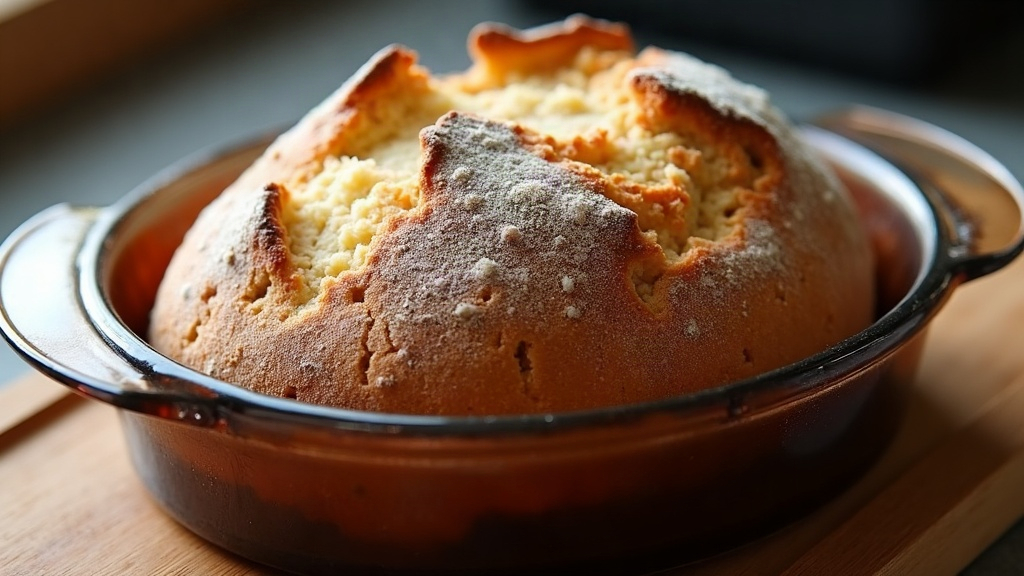
If you’re wondering whether a glass lidded casserole dish can replace a cast iron Dutch oven for baking sourdough, here’s the short answer: yes, with caveats. A heat-tempered glass casserole (think Pyrex with a snug lid) can turn out a solid, well-risen loaf with a decent crust. But it won’t match the deep caramelization, heat retention, or safety margin you get from cast iron. Below is a side-by-side breakdown so you can pick based on your kitchen, your budget, and what you actually want out of your bread.
Why the Vessel Matters for Sourdough
Sourdough needs a hot, enclosed environment during the first 20 minutes of baking so it can trap steam. That steam keeps the crust pliable long enough for the loaf to fully expand (what bakers call oven spring) before the crust hardens and locks the shape in. The vessel’s job, basically, comes down to three things:
- Retain and radiate intense heat
- Trap the moisture the dough releases as it bakes
- Survive sustained temperatures of 450–500°F (230–260°C) without falling apart
Cast iron and glass can both manage this, technically. But they behave in pretty different ways once the heat kicks in.
Cast Iron Dutch Oven: The Gold Standard
Pros:
- Superior heat retention. Cast iron holds and radiates heat evenly, which is exactly what gives you that deep, blistered, bakery-style crust.
- Pre-heating is safe, and expected. Most recipes have you heat the empty pot at 450–500°F for 30 to 45 minutes before the dough goes in, which gives oven spring a real head start.
- Durability. A well-seasoned Dutch oven from Lodge, Le Creuset, or Staub can easily outlast you in the kitchen, decades of use isn’t unusual.
Cons:
- Heavy. We’re talking 7 to 13 lbs, which gets awkward fast when it’s screaming hot and you’re trying to lower dough into it.
- Enameled versions aren’t cheap, $70 to $350 or more depending on brand and size.
- If the enamel chips, you can end up with hot spots that bake unevenly.
Glass Lidded Casserole Dish: The Budget Alternative
Pros:
- You probably already own one. No extra purchase, no waiting on a delivery.
- Lighter, easier to maneuver, especially nice if wrist strength isn’t your strong suit.
- You can actually watch the browning happen through the glass (assuming it isn’t fogged up with condensation or covered in parchment).
Cons:
- Thermal shock is a real risk. Never preheat an empty glass dish at 450°F or above. Standard borosilicate or soda-lime glass, Pyrex included, can crack or even shatter from rapid, uneven heating. This is especially true if the dish starts out cold or has tiny scratches you can’t even see. Manufacturers are blunt about this: they explicitly warn against dry preheating.
- Lower heat capacity. Glass just doesn’t radiate heat with the same intensity, so expect crusts that are paler and less blistered, more “home-baked” than “bakery window.”
- Slower to recover heat once you open the oven door, which can take a small bite out of your oven spring.
How to Safely Bake Sourdough in a Glass Casserole
If you’re going the glass route, treat these steps as non-negotiable:
- Never preheat it empty. Load your shaped dough (on parchment, in a cold or just slightly warm dish) before it ever sees the inside of the oven.
- Preheat the oven, not the dish, to 450°F (230°C).
- Set the loaded, covered dish into the hot oven slowly and carefully, don’t just drop it onto a scorching rack.
- Bake covered for 20 to 25 minutes, then pull the lid off and bake uncovered for another 20 to 25 minutes at 425°F to get some color on the crust.
- Double-check the dish is rated oven-safe to at least 450°F. Not every glass casserole dish can handle that, so read the fine print.
Head-to-Head Comparison
| Factor | Cast Iron Dutch Oven | Glass Casserole Dish |
|---|---|---|
| Crust color/blister | Deep, bakery-style | Lighter, softer |
| Oven spring | Excellent (preheated pot) | Good (cold-start method) |
| Safety at high heat | Very safe when preheated | Risk of shattering if preheated empty |
| Weight | Heavy | Lighter |
| Cost | $70–$350+ | Often already owned |
| Learning curve | Low | Moderate (must avoid thermal shock) |
Which Should You Choose?
- Choose cast iron if sourdough is a regular habit for you and you want consistent, professional-looking crust without having to think too hard about technique.
- Choose glass if you’re new to this, bake only now and then, or just want to test the sourdough waters before spending real money, just commit fully to the cold-start method and never, ever preheat it empty.
Quick Tips for Either Vessel
- Score your dough with a sharp blade or lame right before it goes in, this controls how and where it expands.
- Use a strip of parchment paper as a sling so you can lower the dough into either vessel without burning your knuckles.
- Let the loaf cool for at least 45 to 60 minutes before slicing. Cut too early and you’ll trap a gummy, underbaked-looking layer inside, even if it’s fully cooked.
Conclusion
Both a cast iron Dutch oven and a glass lidded casserole dish are capable of producing a genuinely good sourdough loaf. Cast iron wins on crust quality, heat retention, and sheer reliability if you bake often. Glass is a perfectly safe, budget-friendly stand-in, as long as you skip the empty preheat and stick to the cold-start method every time. Honestly, just start with whatever’s already in your cupboard. Use the glass dish now, and if sourdough turns into a real habit, let that be your excuse to finally get the cast iron.